
The Real Cost of AI Lead Generation: ROI Math for CMOs
The Real Cost of AI Lead Generation: ROI Math for CMOs

The Real Cost of AI Lead Generation: Strategic ROI Math for CMOs to Maximize Marketing Investment
By Alex D, FrogFish Consulting
In the rapidly evolving landscape of digital marketing, understanding the financial implications of AI lead generation is crucial for Chief Marketing Officers (CMOs). This article delves into the real costs associated with AI lead generation, providing a comprehensive analysis of return on investment (ROI) calculations that can help CMOs maximize their marketing budgets. Readers will learn about various pricing models, the components that contribute to costs, and methodologies for accurately calculating ROI. As businesses increasingly adopt AI technologies, the challenge lies in balancing investment with measurable outcomes. This guide will explore key pricing models, the cost benefits of AI compared to traditional methods, and the tools that drive effective lead generation strategies.
What Are the Key Pricing Models for AI Lead Generation?
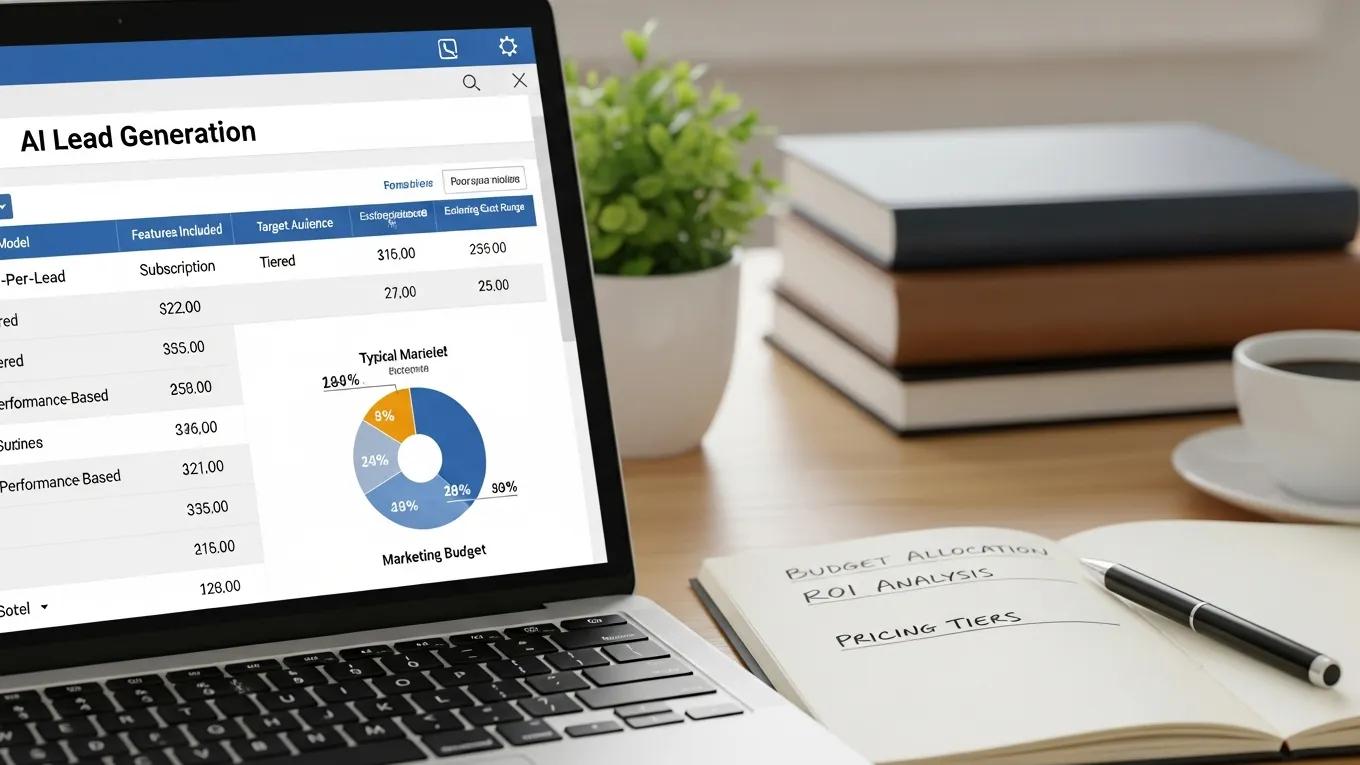
AI lead generation services typically operate under several pricing models, each with its unique structure and implications for marketing budgets. Understanding these models is essential for CMOs to allocate resources effectively and optimize their marketing strategies. The primary pricing models include pay-per-lead, subscription-based services, and performance-based pricing. Each model offers different advantages and challenges, influencing how marketing budgets are managed.
How Do AI Lead Generation Pricing Structures Impact Marketing Budgets?
The pricing structures of AI lead generation services can significantly impact overall marketing budgets. For instance, pay-per-lead models may lead to fluctuating costs based on lead quality and volume, while subscription models provide predictable expenses. CMOs must consider both short-term and long-term costs when evaluating these structures. Effective budget allocation strategies can help mitigate risks associated with variable pricing, ensuring that marketing investments yield optimal returns.
What Are the Cost Components of AI Lead Gen Software and Platforms?
AI lead generation software and platforms encompass various cost components that CMOs should be aware of. Key components include:
- Software Licensing Fees: These are the costs associated with acquiring the software necessary for AI lead generation.
- Maintenance Costs: Ongoing expenses related to software updates and technical support.
- Training Expenses: Costs incurred for training staff to effectively use AI tools and platforms.
Understanding these components allows CMOs to create a more accurate budget and anticipate future expenses.
How Can CMOs Accurately Calculate ROI for AI Marketing Investments?

Calculating ROI for AI marketing investments requires a systematic approach that considers various factors influencing outcomes. CMOs must establish clear metrics and methodologies to assess the effectiveness of their investments. This section outlines a step-by-step methodology for calculating ROI, ensuring that marketing efforts are aligned with business objectives.
What Step-by-Step Methodology Defines AI Marketing ROI Calculation?
To accurately calculate ROI for AI marketing investments, CMOs can follow these steps:
- Define ROI: Establish what constitutes a return on investment for your specific marketing goals.
- Identify Inputs and Outputs: Determine the costs associated with the AI lead generation efforts and the expected returns.
- Calculate Net Gain: Subtract the total costs from the total returns to find the net gain.
This structured approach enables CMOs to make informed decisions based on quantifiable data.
Which Variables Most Influence ROI Outcomes in AI Lead Generation?
Several variables can significantly influence ROI outcomes in AI lead generation. Key factors include:
- Lead Quality: Higher quality leads typically result in better conversion rates and increased revenue.
- Conversion Rates: The effectiveness of the sales process in converting leads into customers directly impacts ROI.
- Marketing Spend: The amount invested in AI lead generation relative to the returns generated is crucial for assessing overall effectiveness.
By focusing on these variables, CMOs can refine their strategies to enhance ROI.
What Are the Cost Benefits of AI Lead Generation Compared to Traditional Methods?
AI lead generation offers several cost benefits compared to traditional marketing methods. These advantages stem from increased efficiency, improved targeting, and enhanced lead quality. Understanding these benefits is essential for CMOs looking to justify their investments in AI technologies.
How Does AI Marketing Automation Improve Lead Quality and Conversion Rates?
AI marketing automation enhances lead quality by utilizing data-driven insights to target the right audience effectively. This targeted approach leads to higher conversion rates, as potential customers are more likely to engage with relevant content. Additionally, automation streamlines the lead nurturing process, ensuring timely follow-ups and personalized communication, which further boosts conversion rates.
What Case Studies Demonstrate ROI Improvements from AI Lead Gen?
Numerous case studies illustrate the ROI improvements achieved through AI lead generation. For example, companies that implemented AI-driven lead scoring systems reported significant increases in conversion rates within a few months. Another case study highlighted a business that reduced its customer acquisition cost after adopting AI tools for lead generation. These examples underscore the tangible benefits of integrating AI into marketing strategies.
Further insights into how AI can revolutionize lead generation and reduce customer acquisition costs are detailed in a relevant report:
AI Lead Generation: Lowering Customer Acquisition Costs
This report explains why Al-based lead generation is disruptive in both B2B and B2C , lower the cost to acquire a customer, and improve lead development efficiency by targeting based
AI-Driven Tools for High-Quality Lead Generation in B2B and B2C Marketing: A, 2026
Which Tools and Technologies Drive Effective AI Lead Generation ROI?
The effectiveness of AI lead generation is heavily influenced by the tools and technologies employed. CMOs must stay informed about the latest advancements to ensure they are leveraging the best solutions for their needs.
How Do AI Lead Gen Software Pricing Tiers Align with Business Needs?
AI lead generation software often comes in various pricing tiers, each designed to meet different business needs. For instance, small businesses may benefit from entry-level packages that offer essential features at a lower cost, while larger enterprises might require advanced functionalities available in premium tiers. Understanding these pricing tiers allows CMOs to select solutions that align with their specific requirements and budget constraints.
What Features Should CMOs Prioritize in AI Marketing Platforms?
When evaluating AI marketing platforms, CMOs should prioritize features that enhance usability and effectiveness. Key features to consider include:
- User Interface: An intuitive interface facilitates easier navigation and quicker adoption by team members.
- Analytics Capabilities: Robust analytics tools provide insights into campaign performance and ROI.
- Integration with Existing Systems: Compatibility with current marketing tools ensures a seamless workflow and data sharing.
By focusing on these features, CMOs can select platforms that maximize their marketing efforts.
How Should CMOs Perform ROI Analysis for AI Marketing Tools?
Conducting a thorough ROI analysis for AI marketing tools is essential for understanding their impact on business performance. CMOs must establish clear metrics and continuously evaluate the effectiveness of their investments.
What Metrics and KPIs Are Essential for Evaluating AI Marketing ROI?
Key metrics and KPIs for evaluating AI marketing ROI include:
- Customer Acquisition Cost (CAC): The total cost of acquiring a new customer, which should be minimized for better ROI.
- Lifetime Value of a Customer (LTV): The total revenue expected from a customer over their relationship with the business.
- Return on Ad Spend (ROAS): A measure of the revenue generated for every dollar spent on advertising.
These metrics provide valuable insights into the effectiveness of AI marketing investments.
How Can Digital Maturity Consulting Enhance AI Lead Generation ROI?
Digital maturity consulting plays a crucial role in enhancing AI lead generation ROI. By leveraging data-driven insights and optimizing marketing funnels, consulting services can help businesses focus on quality leads and improve overall performance. FrogFish Consulting specializes in providing strategic advisory services that empower brands to enhance their online presence and maximize their marketing investments.
This table highlights how different tools contribute to effective AI lead generation strategies, emphasizing the importance of selecting the right technologies to drive ROI.
In conclusion, understanding the real costs of AI lead generation and accurately calculating ROI is essential for CMOs aiming to maximize their marketing investments. By exploring various pricing models, evaluating cost components, and leveraging advanced tools, businesses can enhance their lead generation strategies and achieve significant returns on their investments.