
AI vs. Traditional Lead Gen: A 12-Year Google Veteran’s Honest Take
AI vs. Traditional Lead Gen: A 12-Year Google Veteran’s Honest Take
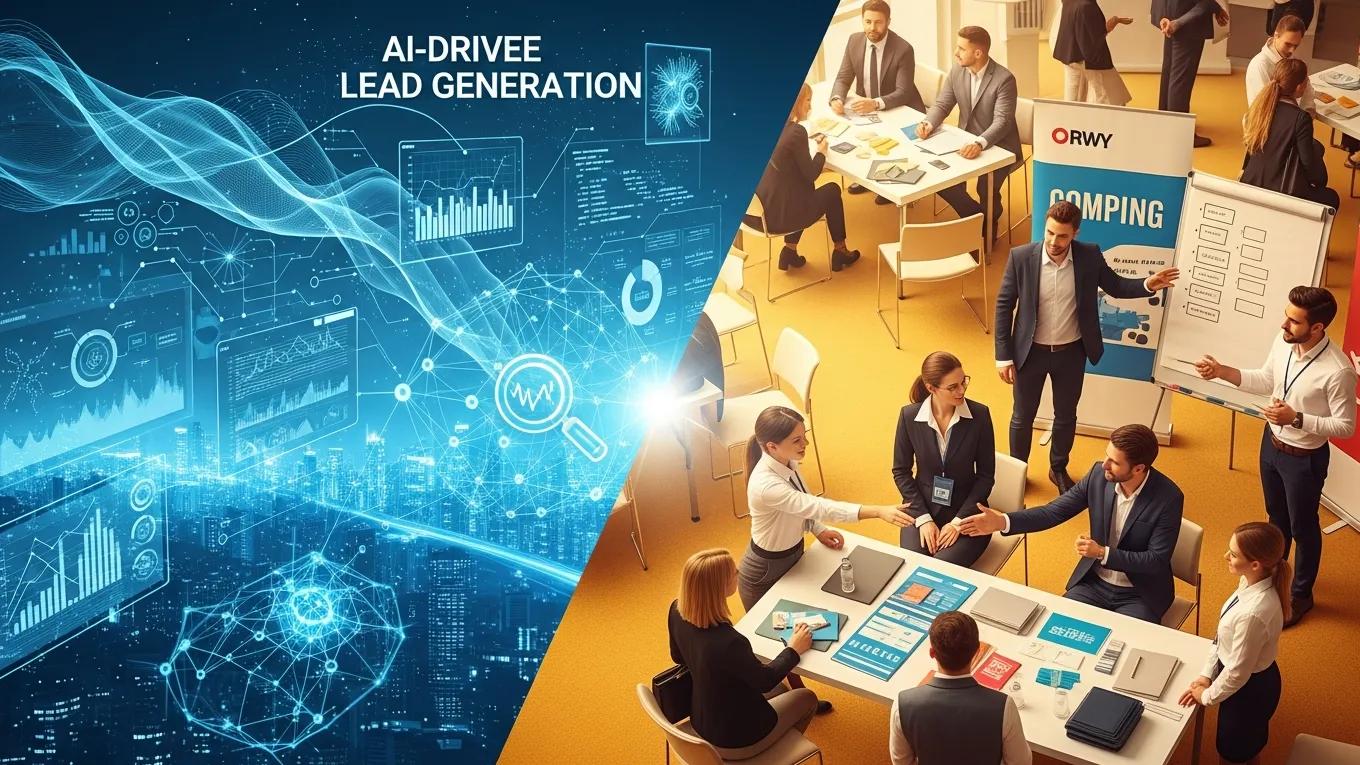
AI vs. Traditional Lead Gen: A 12-Year Google Veteran’s Honest Take on Lead Generation Strategies
By Alex D, FrogFish Consulting
In the rapidly evolving landscape of marketing, the debate between AI-driven lead generation and traditional methods has gained significant traction. This article delves into the nuances of both approaches, providing insights from a seasoned expert with over a decade of experience at Google. Readers will learn about the key benefits of AI tools, the enduring effectiveness of traditional methods, and how businesses can strategically integrate both for optimal results. As companies strive to enhance their lead generation strategies, understanding the strengths and weaknesses of each method is crucial. This exploration will cover the benefits of AI, the relevance of traditional techniques, integration strategies, industry statistics, and the role of FrogFish Consulting in advancing digital maturity.
What Are the Key Benefits of AI Lead Generation Tools Compared to Traditional Methods?
AI lead generation tools offer several advantages over traditional methods, primarily through enhanced efficiency and improved conversion rates. By leveraging advanced algorithms and data analytics, AI tools can automate repetitive tasks, allowing marketers to focus on strategy and creativity. This automation not only saves time but also increases the accuracy of targeting potential leads, resulting in higher conversion rates. Furthermore, AI tools can analyze vast amounts of data to identify patterns and trends, enabling businesses to make informed decisions that drive growth.
How Does AI Improve Lead Generation Efficiency and Conversion Rates?
AI enhances lead generation efficiency by automating processes such as data collection, lead scoring, and follow-up communications. For instance, AI algorithms can sift through large datasets to identify high-potential leads based on specific criteria, significantly reducing the time spent on manual research. Additionally, AI-driven chatbots can engage with potential customers in real-time, answering queries and nurturing leads around the clock. This level of responsiveness not only improves user experience but also increases the likelihood of conversion, as potential customers receive timely information and support.
Further research highlights how advanced AI techniques, such as natural language processing and predictive analytics, are crucial for optimizing lead nurturing and engagement.
AI-Driven Lead Nurturing: NLP & Predictive Analytics
This research paper delves into the innovative integration of Natural Language Processing (NLP) and predictive analytics to optimize AI-driven lead nurturing and engagement strategies. The study addresses the traditional challenges faced in digital marketing, such as inefficiencies in lead qualification, nurturing, and conversion processes. By harnessing the sophisticated capabilities of NLP, the research explores how AI systems can more accurately interpret and analyze vast amounts of customer interaction data to understand sentiment, intent, and behavioral patterns. Predictive analytics is employed to forecast future customer actions, enabling the development of personalized engagement strategies that cater to individual needs and preferences.
Leveraging natural language processing and predictive analytics for enhanced AI-driven lead nurturing and engagement, M Singh, 2021
What Are the Cost Advantages of AI Marketing Over Traditional Lead Gen?
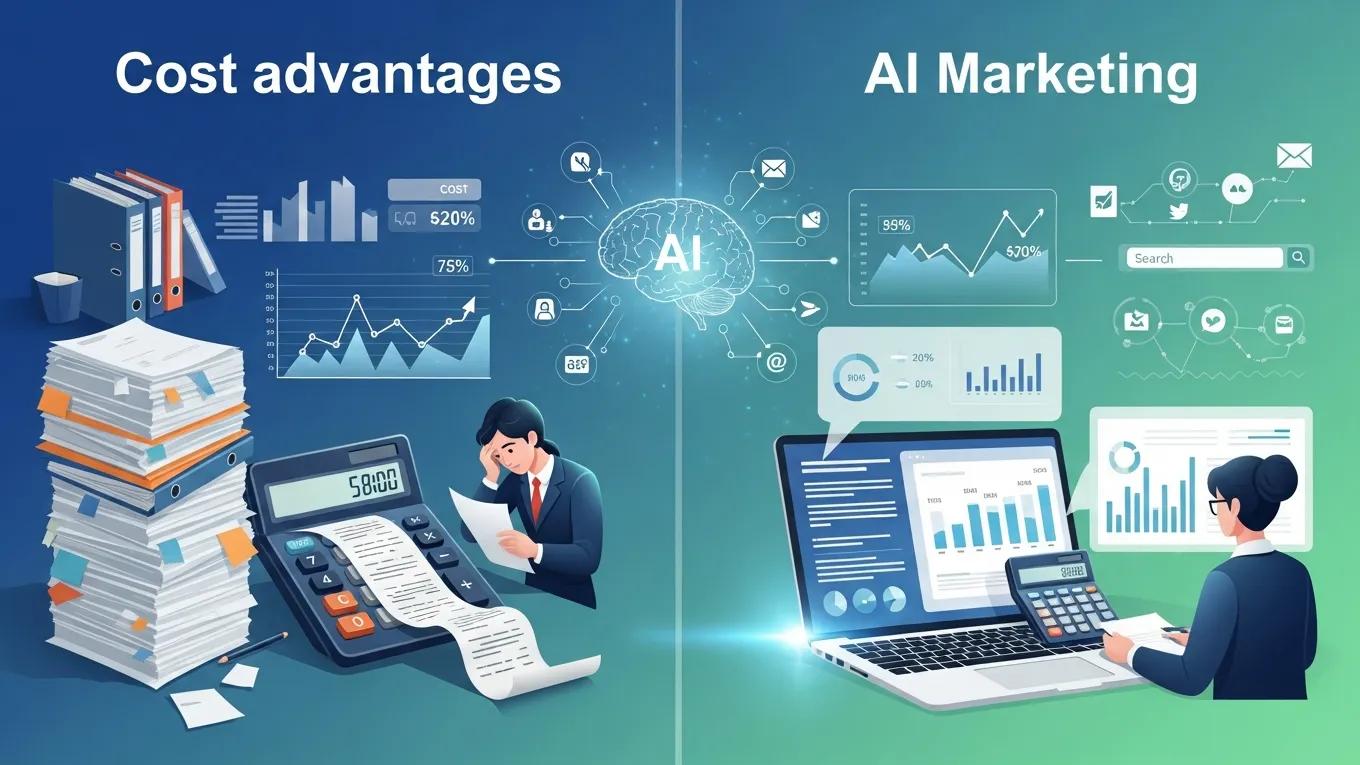
The cost advantages of AI marketing are substantial when compared to traditional lead generation methods. AI tools often reduce the cost per lead by streamlining processes and minimizing the need for extensive human resources. For example, businesses can save on labor costs by utilizing AI for tasks that would typically require a team of marketers. Moreover, the long-term savings associated with AI implementation can be significant, as these tools continuously learn and adapt, improving their effectiveness over time. Companies that invest in AI-driven lead generation often see a favorable return on investment, making it a financially sound choice.
Which Traditional Lead Generation Methods Remain Effective in the Digital Age?
Despite the rise of AI, several traditional lead generation methods continue to prove effective in the digital age. Techniques such as manual outreach, networking, and content marketing still play a vital role in building relationships and acquiring leads. These methods emphasize the importance of personal connections and trust, which are essential in today’s competitive landscape.
How Do Manual Outreach and Networking Techniques Support Lead Acquisition?
Manual outreach and networking techniques remain powerful tools for lead acquisition. Building personal relationships through networking events, industry conferences, and direct outreach can create trust and credibility, which are crucial for converting leads into customers. By engaging with potential clients on a personal level, businesses can better understand their needs and tailor their offerings accordingly. This human touch often leads to more meaningful connections and higher conversion rates compared to automated approaches.
What Role Does Content Marketing Play in Traditional Lead Gen?
Content marketing is another traditional method that continues to thrive in the digital landscape. By creating valuable and relevant content, businesses can attract and engage their target audience, driving traffic to their websites and generating leads. Effective content marketing strategies include blog posts, whitepapers, and webinars that address the pain points of potential customers. This approach not only positions the brand as an authority in its field but also nurtures leads through informative and engaging content.
The enduring power of content marketing in generating leads and building brand awareness is further supported by recent studies exploring its evolving role in the digital age.
Content Marketing & AI Trends for Lead Generation
Content marketing plays an essential role in creating brand awareness and lead generation in this changing digital world. Based on models like the AIDA framework and Aaker’s Brand Equity model, it shows how effective content grabs attention, fosters interest, creates desire, and prompts action. Using strategies such as storytelling, search engine optimization, and user-generated content can help in establishing trust and emotionally connecting audiences. While the issues of content saturation, ROI measurement, and long-term customer engagement still provide major challenges, exciting trends in artificial intelligence, interactive content, and visual storytelling create new opportunities.
The Impact of Content Marketing on Brand Awareness and Lead Generation, M Savariapitchai, 2024
How Can Businesses Integrate AI with Traditional Lead Generation for Optimal Results?
Integrating AI with traditional lead generation methods can yield optimal results for businesses. By combining the strengths of both approaches, companies can create a comprehensive lead generation strategy that maximizes efficiency and effectiveness. This hybrid approach allows businesses to leverage AI’s data-driven insights while maintaining the personal touch of traditional methods.
What Are Proven Hybrid Strategies Combining AI and Traditional Approaches?

Proven hybrid strategies include using AI tools to enhance traditional outreach efforts. For example, businesses can utilize AI to analyze data from past campaigns, identifying the most effective messaging and channels for outreach. This information can then inform manual outreach efforts, allowing marketers to tailor their approach based on data-driven insights. Additionally, AI can assist in segmenting audiences, ensuring that traditional marketing efforts are directed toward the most promising leads.
How Does Digital Maturity Consulting Facilitate AI and Traditional Lead Gen Integration?
Digital maturity consulting plays a crucial role in facilitating the integration of AI and traditional lead generation methods. Firms like FrogFish Consulting specialize in helping businesses assess their digital maturity and develop tailored strategies for improvement. By providing expert guidance on the implementation of AI tools alongside traditional methods, these consulting services enable companies to optimize their lead generation efforts. This strategic approach ensures that businesses can effectively navigate the complexities of modern marketing while maximizing their return on investment.
What Are the Latest Industry Statistics and Case Studies on AI vs. Traditional Lead Generation?
Recent industry statistics highlight the growing impact of AI on lead generation. As businesses increasingly adopt AI technologies, the return on investment and conversion rates have shown significant improvement. Understanding these trends is essential for companies looking to stay competitive in the evolving landscape of lead generation.
How Has AI Adoption Impacted Lead Gen ROI and Conversion Rates in 2025-2026?
AI adoption has led to remarkable improvements in lead generation ROI and conversion rates. According to recent studies, businesses that implemented AI-driven lead generation strategies reported an average ROI increase of 30% within the first year. Additionally, conversion rates have improved by up to 25%, demonstrating the effectiveness of AI in identifying and nurturing leads. These statistics underscore the importance of embracing AI technologies to enhance lead generation efforts.
A deeper analysis into the strategic application of AI, human creativity, and hybrid intelligence offers a comparative view on optimizing digital marketing ROI.
AI vs. Human Creativity in Digital Marketing ROI
As digital marketing continues to evolve, the fusion of artificial intelligence (AI) automation with human creativity is emerging as a key approach for optimizing marketing performance. This study compares the return on investment (ROI) offered by three operational modes (AI automation, human creativity, hybrid intelligence) for both large and small brands. Based on the Resource-Based View, Ambidexterity Theory, and the Law of Diminishing Returns, this research provides a comprehensive framework that connects each of the operational modes to the key performance indicators of ROI, the conversion rate, and the engagement score, to assess the influence of firm size as a moderating factor.
Strategic Application of Hybrid Intelligence in Digital Marketing: A Comparative ROI Analysis Across AI Automation, Human Creativity, and Collaborative Modes, 2025
What Success Stories Demonstrate Effective Lead Gen Transformation?
Numerous success stories illustrate the transformative power of AI in lead generation. Companies that have successfully integrated AI tools into their marketing strategies have reported significant increases in lead quality and conversion rates. For instance, a leading e-commerce brand utilized AI to personalize its marketing campaigns, resulting in a 40% increase in sales within six months. These case studies serve as compelling evidence of the potential benefits of adopting AI-driven lead generation strategies.
How Should Companies Measure and Optimize Lead Generation ROI Using AI and Traditional Methods?
Measuring and optimizing lead generation ROI is crucial for businesses seeking to improve their marketing strategies. By utilizing both AI and traditional methods, companies can gain valuable insights into their lead generation performance and make data-driven decisions.
Which Metrics Best Reflect Lead Gen Performance Across Both Approaches?
Key performance indicators (KPIs) are essential for evaluating lead generation performance across both AI and traditional methods. Metrics such as conversion rates, cost per lead, and customer acquisition cost provide valuable insights into the effectiveness of marketing strategies. By analyzing these metrics, businesses can identify areas for improvement and optimize their lead generation efforts accordingly.
How Can Data-Driven Insights Guide Strategic Lead Gen Decisions?
Data-driven insights play a pivotal role in guiding strategic lead generation decisions. By leveraging analytics tools, businesses can gain a deeper understanding of their target audience and the effectiveness of their marketing campaigns. This information allows companies to make informed decisions about resource allocation, messaging, and channel selection, ultimately leading to more successful lead generation outcomes.
What Role Does FrogFish Consulting Play in Advancing Digital Maturity and Lead Generation Strategies?
FrogFish Consulting is a digital maturity consulting firm focused on helping brands improve their online presence through strategic guidance and implementation. With a wealth of experience in lead generation, FrogFish Consulting provides valuable insights and support to businesses looking to enhance their marketing strategies.
How Does FrogFish Leverage 12 Years of Google Expertise for Client Success?
With over 12 years of experience at Google, FrogFish Consulting leverages its expertise to help clients navigate the complexities of digital marketing. By offering tailored consulting services, the firm assists businesses in optimizing their lead generation strategies and achieving their marketing goals. This unique perspective allows FrogFish to provide clients with actionable insights and proven strategies for success.
What Consulting Services Support AI and Traditional Lead Gen Optimization?
FrogFish Consulting offers a range of services designed to support the optimization of both AI and traditional lead generation methods. These services include digital maturity assessments, strategy development, and implementation support. By providing comprehensive consulting services, FrogFish helps businesses effectively integrate AI technologies with traditional marketing approaches, ensuring a holistic and effective lead generation strategy.